
I. Introduction
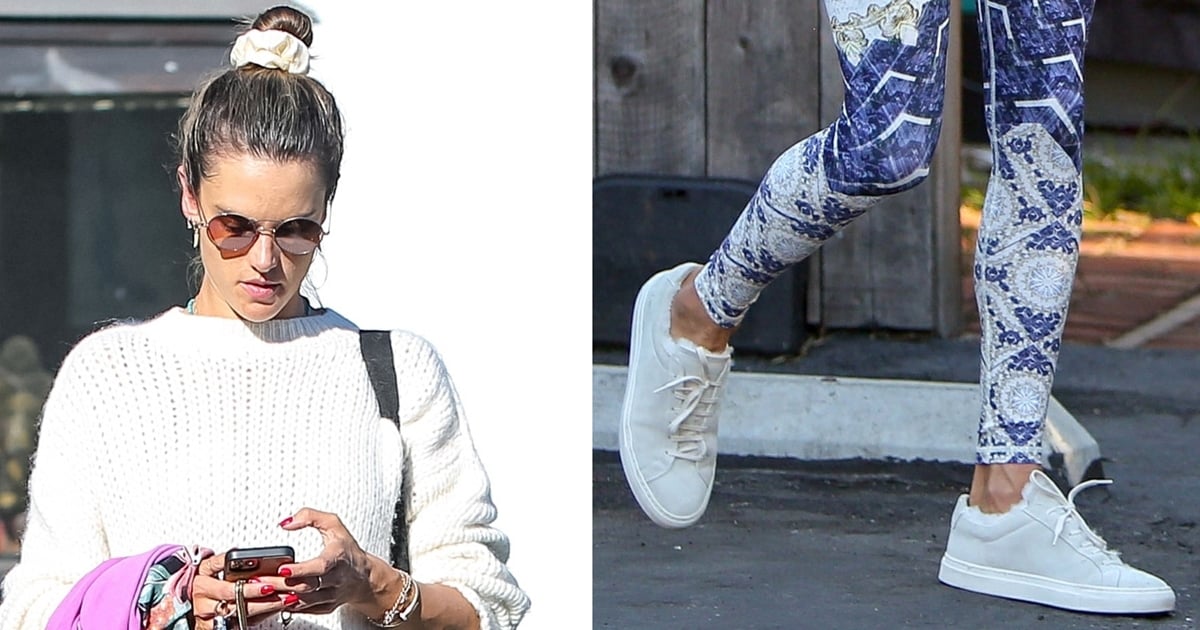
The practice of yoga has gained tremendous popularity in recent years and has become a staple in many people’s fitness routines. One essential component of a successful yoga practice is appropriate footwear. In this article, we will explore the importance of wearing the right shoes during yoga and specifically delve into the topic of doing yoga in sneakers.
II. Understanding Yoga and Its Requirements
A. Definition and Purpose of Yoga
Before we dive into the discussion of footwear, it is crucial to have a clear understanding of what yoga is and its purpose. Yoga is an ancient practice that originated in India and encompasses physical postures, breathing exercises, meditation, and ethical principles. The purpose of yoga is to achieve a balanced and harmonious union of the mind, body, and spirit.
B. Traditional Yoga Practice and Barefoot Tradition
In traditional yoga practice, practitioners typically perform their asanas (yoga postures) barefoot. This barefoot tradition holds significant importance as it allows for a strong connection between the feet and the ground. It also promotes sensory awareness, balance, and stability during the practice.
C. Benefits of Being Barefoot in Yoga
Practicing yoga barefoot offers several benefits. Firstly, it allows the feet to naturally grip the ground, providing stability and support during poses. It also enhances proprioception, which is the body’s ability to sense its position and movements. Additionally, being barefoot encourages the muscles and joints in the feet to engage, promoting strength and flexibility.
III. Pros and Cons of Doing Yoga in Sneakers

A. Pros of Using Sneakers for Yoga
While the traditional practice advocates for practicing yoga barefoot, some individuals may choose to wear sneakers for various reasons. It is essential to explore the potential advantages of using sneakers for yoga.
- Enhanced Stability and Grip
One significant advantage of wearing sneakers during yoga is improved stability and grip. Many sneakers are designed with specialized rubber soles that offer excellent traction on different surfaces, allowing for a firm footing and reducing the risk of slips or falls.
- Cushioning for Support and Impact Absorption
Sneakers typically have cushioned insoles and supportive midsoles, which can provide comfort and support during rigorous yoga sessions. The extra cushioning can help absorb shocks and impacts, particularly in high-impact movements or when practicing on hard surfaces.
- Protection for the Feet from Rough or Unsanitary Surfaces
In certain situations, practicing yoga in bare feet may not be feasible or safe. When exposed to rough or unsanitary surfaces, sneakers can act as a protective barrier, preventing potential injuries or infections.
B. Cons of Using Sneakers for Yoga
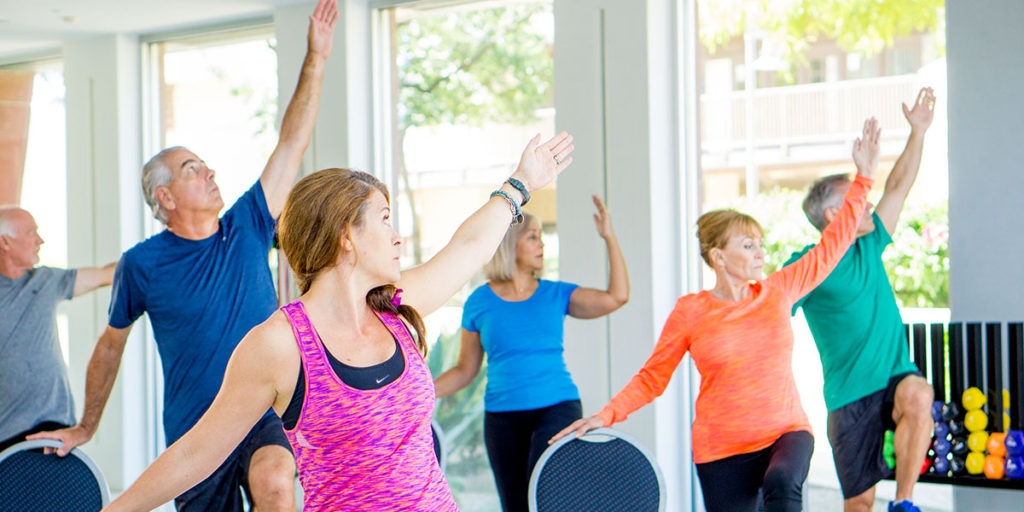
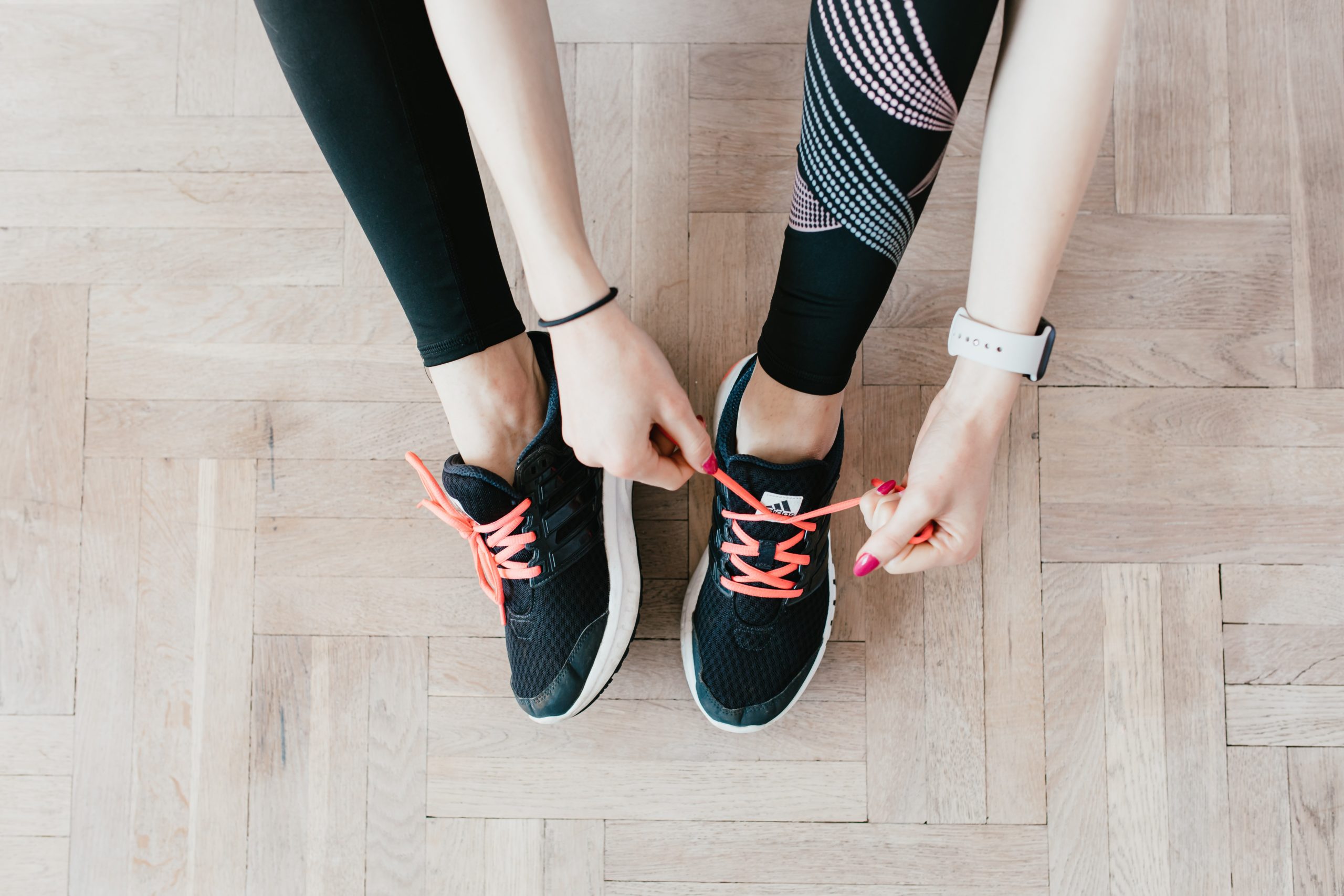
While sneakers offer certain advantages, there are also several drawbacks to consider when using them for yoga.
- Reduced Sensory Awareness and Connection
Wearing sneakers can limit the sensory feedback experienced through the feet. This diminished connection with the ground can affect balance, stability, and proprioception. It may impede the ability to fully engage with and understand the body’s alignment and position during yoga poses.
- Limitations in Foot and Ankle Mobility
Most sneakers are designed with a certain level of stiffness to provide support and structure. However, this stiffness can restrict the natural range of motion in the feet and ankles required for certain yoga poses. It may hinder the ability to flex, point, or rotate the feet freely, limiting the full expression of poses.
- Potential Imbalances and Misalignment
The cushioning and support provided by sneakers can compensate for weaker muscle groups or imbalances in the feet and ankles. This compensation may mask underlying issues and potentially lead to improper alignment during yoga poses. Over time, this can increase the risk of injury and hinder progress in the practice.
IV. Alternatives to Sneakers for Yoga Practice
A. Yoga-specific Shoes or Socks with Grips

For individuals who prefer to have some form of foot coverage during yoga but want to maintain a close connection to the ground, yoga-specific shoes or socks with grips can be an excellent alternative to sneakers. These shoes and socks are designed specifically for yoga practice and provide a balance between support and flexibility.
Yoga-specific shoes often have thin, flexible soles that mimic the sensation of being barefoot while still offering some protection and stability. They are usually lightweight and breathable, allowing for natural movement and preventing overheating of the feet.
Socks with grips are another popular choice for those who want to practice yoga with some foot coverage. They have rubber or silicone grips on the sole, providing traction and preventing slipping during poses. Toe socks, which have individual compartments for each toe, can also be used for added grip and separation of the toes.
B. Going Barefoot or Using Toe Socks
As previously discussed, practicing yoga barefoot is the preferred method for many yogis as it allows for optimal flexibility, balance, and sensory awareness. Going barefoot during your yoga practice can help strengthen the muscles in your feet, promote healthy foot alignment, and deepen your connection to the ground.
Another option for those who prefer the feel of socks but still want the benefits of going barefoot is to use toe socks. These socks have individual compartments for each toe, allowing for proper toe alignment and the ability to grip the mat.
C. Yoga Mat Improvements for Enhanced Grip
The type of yoga mat you use can also greatly impact your grip and overall experience during your practice. Some yoga mats are designed with enhanced grip surfaces or have specialized textures that provide better traction. These mats can help prevent slipping during sweaty or challenging poses, reducing the need for additional foot support or footwear.
It is essential to invest in a high-quality yoga mat that suits your practice style and preferences. Experiment with different mat materials and textures to find the one that offers the best grip for your needs.
V. Factors to Consider in Choosing Footwear for Yoga

When selecting the right footwear for your yoga practice, there are a few key factors to consider:
A. Yoga Style and Intensity
The type of yoga you practice and its intensity level can influence your choice of footwear. For gentle yoga styles like Hatha or Yin yoga, you may prefer the freedom and connection of practicing barefoot. However, if you practice more dynamic and fast-paced styles like Power or Vinyasa yoga, you might opt for shoes, socks with grips, or yoga-specific footwear to provide added stability and support.
B. Individual Preferences and Comfort Level
Everyone’s feet and preferences are different, so it is essential to choose footwear that makes you feel comfortable and confident during your practice. Some individuals may feel more secure and grounded with shoes or socks, while others prefer the sensation of being barefoot. Take into account your personal comfort level and choose footwear that feels right for you.
C. Safety and Hygiene Considerations
In certain situations, wearing footwear for yoga is necessary for safety or hygiene reasons. If you are practicing at a public yoga studio or gym, it is important to consider the cleanliness of the floors and mats. Wearing shoes or socks can help protect your feet from potential infections or diseases. Additionally, if you have any foot injuries or conditions that require extra support or protection, it may be necessary to use footwear during your practice.
It is crucial to strike a balance between safety and the benefits of practicing barefoot. If wearing footwear is necessary, opt for options that provide minimal restrictions and allow for optimal movement and connection to the ground.
VI. Conclusion
Selecting the appropriate footwear for your yoga practice is a personal decision that depends on various factors, including your practice style, preferences, and safety considerations. While practicing yoga barefoot is traditionally recommended for optimal connection and sensory awareness, there are alternatives such as yoga-specific shoes, grips socks, or improved yoga mats that can provide added support, stability, and flexibility. Ultimately, the key is to choose footwear that aligns with your needs and allows you to have a safe, comfortable, and meaningful yoga experience.